

Watching and listening to music videos is fun and intriguing, but what if the music suddenly started to sound and look like AI?

Some music artists have been receiving controversy due to using AI in producing their music content. Tyla, a South African singer and songwriter, is accused of using generative AI in her music video titled “That Girl”. Fans and critics pointed out visual errors in the music video, which included distorted body parts, floating limbs, and a hand with six fingers.
The hatred started when fans expressed disappointment, comparing the animation style to low-effort AI generation, often called “AI slop”, downplaying Tyla as a major artist due to using AI instead of hiring traditional animators.

Another music artist, Tyga, an American rapper, singer, and actor, has also been receiving remarks due to using AI for production elements. His album, $TARFACE, received a whopping 0.0 out of 10 due to his usage of an AI generative model, Suno.
How did the hate amplify? Tyga released statements about it, saying he used AI to enhance his music with 80s synth and guitar solos. This sparked criticism and hatred towards the artist for producing an AI-assisted album.
The answer? It was earned—but not exactly how you think of it.
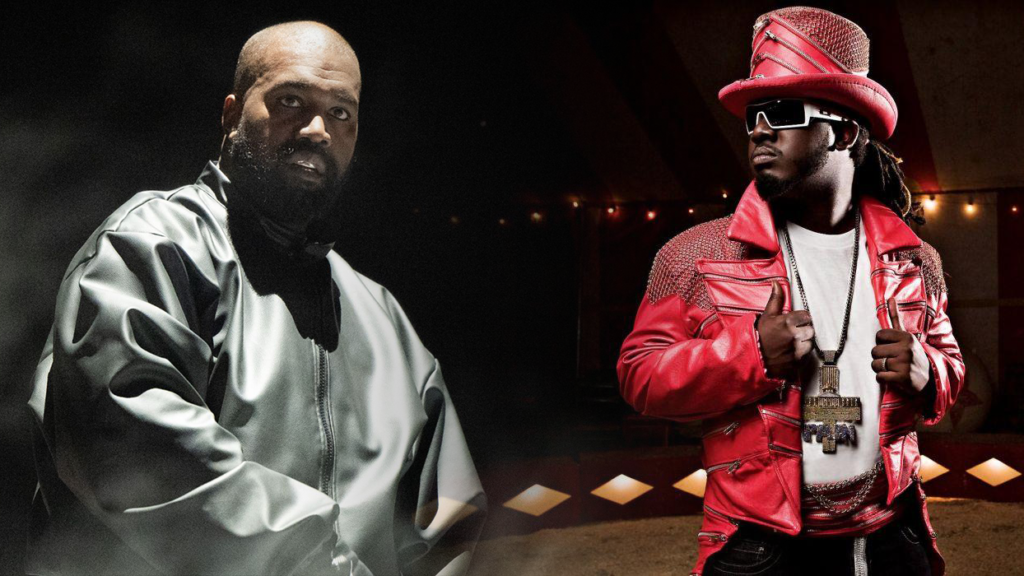
Auto-tune worked for artists like T-Pain and Kanye West because they used it as a tool, turning technology into an expressive, futuristic art form, and pushing human emotion through the technology.
Consequently, Tyga generated generic 80s synth and guitar solos. It was as plain as white paint. He didn’t add any other tracks or remixes. Even the lyrics were suspect. Then just laid his vocals on top of the AI slop, called it music and expected people to buy it. How can any self-respecting artist settle with that kind of work?
When supposed artists stop exerting effort, settle for convenience instead of creativity, it kills their music, stripping away human effort, passion, and their soul from their work. People cannot relate to tunes formulated from binary 1s and 0s. There is no emotional connection to melodies from machines. This results in lazy vanilla music that people will just ignore.
The problem is that Tyga and Tyla used AI as a shortcut instead of a tool, giving them the comfort of convenience. Pop music, no matter how low the bar has fallen in recent years, apparently still holds artists to certain standards. Don’t expect people to buy something they can also produce in their living room, through computers or cellphones.
Audiences expect originality, creativity, and genuine passion reflected in the work by using real musicians, drum machines, producing their own vocal tuning, arranger/composer, music engineer, hiring professional editors and animators, and mixing up pre-packed loops for forty years.
Is AI destroying music? No. But Tyga and Tyla’s criticism serves as a warning to every artist who seeks to make shortcuts on their work: give your efforts in what you do and be passionate in your art, or face the consequences when you settle for convenience.