A practical framework for using AI responsibly without losing the “public” in Public Relations.
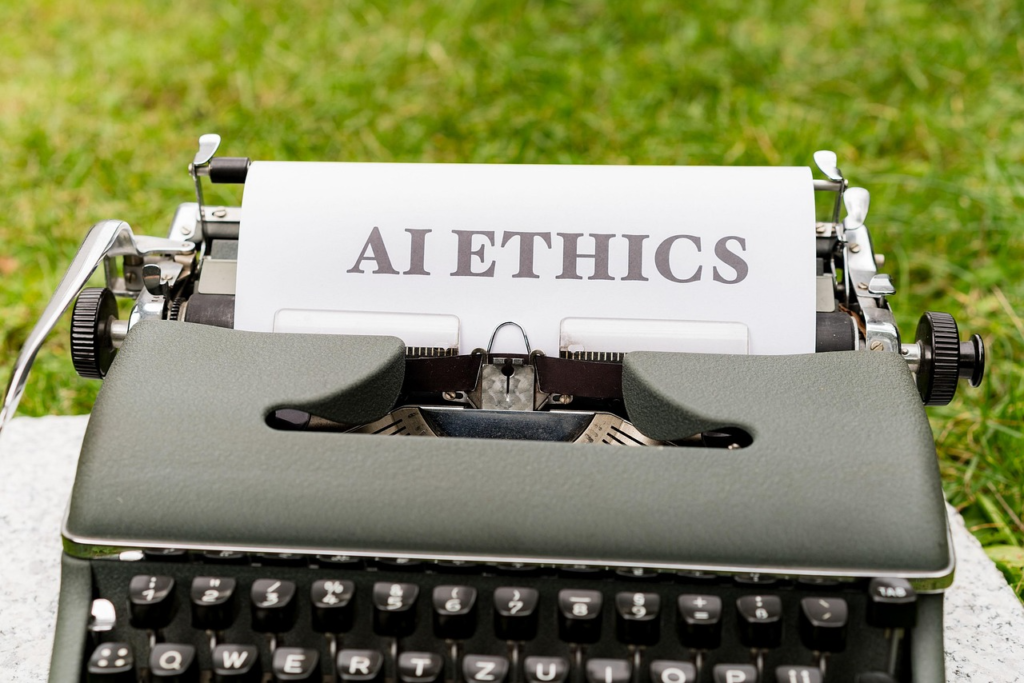
AI ethics is no longer a side conversation in communications — it is central to how PR professionals earn and keep stakeholder trust. As generative AI tools speed up brainstorming, drafting, and research, they also raise new questions about honesty, data privacy, and accuracy that every communicator needs to answer before hitting publish.
This article breaks down five core principles of AI ethics in PR — transparency, confidentiality, human oversight, bias awareness, and integrity — along with practical steps you can apply to your next campaign.
Why AI Ethics Matters in PR Right Now
AI is transforming public relations by assisting with brainstorming, first drafts, and clearing repetitive work off practitioners’ desks. But every efficiency gain comes with a new ethical question: Who verifies what the AI produced? Whose data did it touch? Whose voice might it be flattening or overlooking?
Getting this wrong isn’t just an internal process failure — it’s a brand risk. A single ungoverned AI misstep, from a fabricated quote to a leaked client brief, can undo years of earned media trust. That’s why responsible AI use has become a core professional competency, not an optional add-on.
Here is how we can commit to responsible AI communications while keeping our integrity front and center:
1. Transparency: Disclose When You Use AI
Being upfront about AI use doesn’t diminish your work — it signals that you’re a responsible communicator who values your stakeholders’ trust. Audiences, journalists, and clients increasingly expect to know when AI played a role in producing content.

How to apply it
- Add a brief disclosure line to AI-assisted press materials or reports (e.g., “Drafted with AI assistance, reviewed and approved by our team”).
- Set internal guidelines for when disclosure is required — client-facing deliverables, published content, and executive communications are good starting points.
- Be ready to explain, in plain language, which parts of a workflow involved AI if a client or reporter asks.
2. Confidentiality – Protect Client and Company Data
Protecting client data is a core professional obligation, and AI tools introduce new exposure points. Pasting a confidential brief, embargoed release, or executive statement into a public AI chatbot can mean that sensitive information leaves your control permanently.

How to apply it
- Check your AI tool’s data-retention and training policies before entering any client information — “check before you click” should be a team habit, not a one-time reminder.
- Use enterprise-grade or contractually covered AI tools for confidential work, rather than free consumer versions.
- Build a simple internal rule: no embargoed, unreleased, or personally identifiable information goes into a general-purpose AI tool.
3. Human Oversight: Fact-Check Everything AI Produces
AI models can generate confident-sounding text that is factually wrong, outdated, or entirely fabricated. In PR, where accuracy directly affects an organization’s credibility, unverified AI content is a serious liability.

How to apply it
- Treat every AI-generated statistic, quote, or claim as unverified until a human confirms it against a primary source.
- Assign a named reviewer for AI-assisted content before it goes to a client or the press — don’t rely on “someone will catch it.”
- Keep a lightweight log of what was AI-generated versus human-written for high-stakes materials, so review responsibility is always clear.
4. Bias Awareness: Review for Inclusion
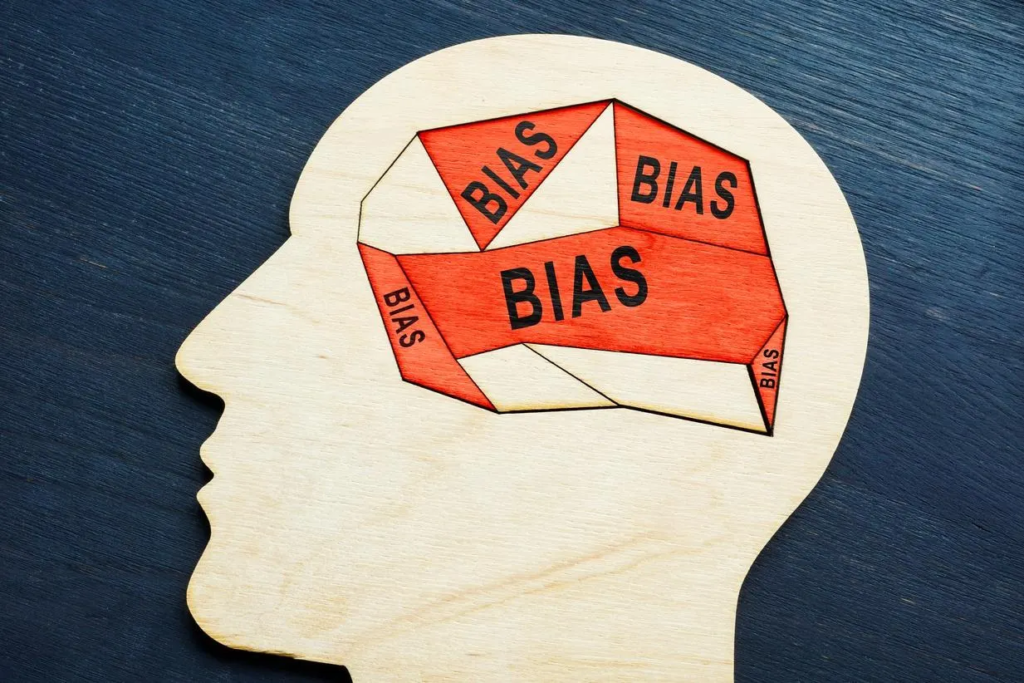
AI models are trained on existing data, which means they can reproduce the biases embedded in that data — in word choice, imagery suggestions, or who gets centered in a narrative. As communicators, part of the job is fostering inclusion, and a quick, intentional bias review can save a brand from a major PR crisis.
How to apply it
- Review AI-generated copy and imagery for stereotypes, exclusionary language, or unbalanced representation before publishing.
- Include a diverse set of reviewers in the approval process for high-visibility AI-assisted campaigns.
- When AI suggests examples, case studies, or spokespeople, actively check whether the suggestions reflect a narrow or skewed default.
5. Integrity: Keep AI as a Partner, Not a Replacement
Ethical AI use ultimately comes down to stewardship. PR professionals are responsible for protecting the credibility of the field and ensuring the narratives they build are rooted in genuine human experience. The future of public relations is human-led integration — AI as a partner that elevates the quality and depth of the work, not a substitute for professional judgment.
How to apply it
- Use AI to accelerate research, brainstorming, and first drafts — but keep strategic judgment, client relationships, and final sign-off with people.
- Revisit your team’s AI usage guidelines regularly as tools and client expectations evolve.
- Make integrity, not just efficiency, the metric you optimize for when adopting new AI tools.
Frequently Asked Questions About AI Ethics in PR
Is it ethical to use AI to write PR content?
Yes, as long as it’s used responsibly: with transparency about AI’s role, human fact-checking before publication, and safeguards around confidential client data.
What is the biggest ethical risk of AI use in PR?
Unverified misinformation reaching the public is typically the highest-stakes risk, closely followed by accidental exposure of confidential client data through public AI tools.
Do clients need to be told when AI is used?
Best practice is yes — disclosing AI involvement, even briefly, builds trust and protects your agency or team if questions come up later.
The Bottom Line
Ethical AI use is a responsibility, not a constraint. By staying transparent, protecting confidential data, keeping humans in the review loop, watching for bias, and treating AI as a partner rather than a replacement, communicators can harness the power of AI without losing the “public” in Public Relations.
Want a practical AI usage policy for your PR team? Get in touch and we’ll help you build one.
Tags: responsible AI communications, AI ethics, PR and Communication, Public Relations