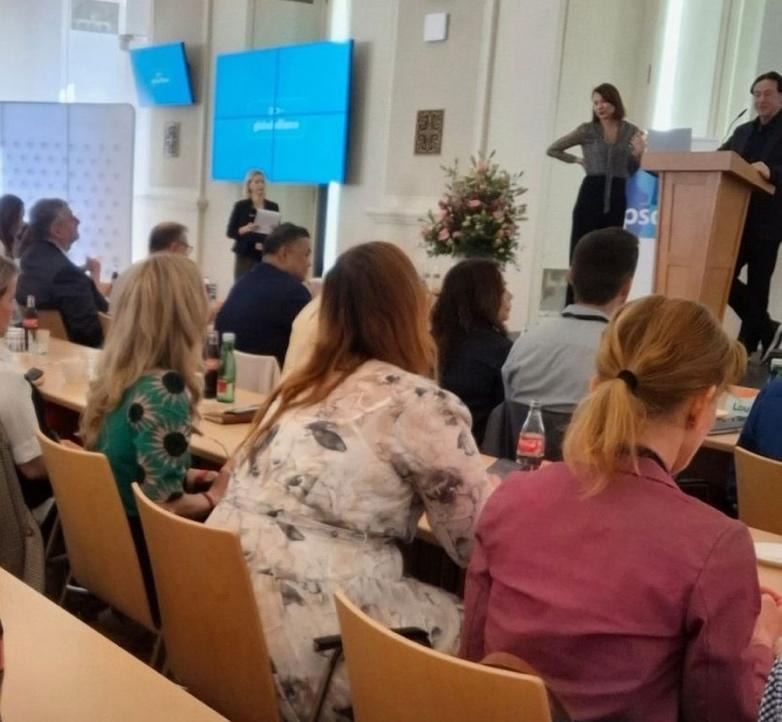


PRAGUE, CZECH REPUBLIC — More than 100 public relations leaders from around the world gathered in Prague from May 21 to 23 for Czechia: Heart of Global PR, a conference co-organized by the Global Alliance for Public Relations and Communication Management (Global Alliance) and ASCOPA. Held at the historic Černín Palace on May 22, the international conference examined how global trends, geopolitical issues, and artificial intelligence (AI) are reshaping modern public relations.
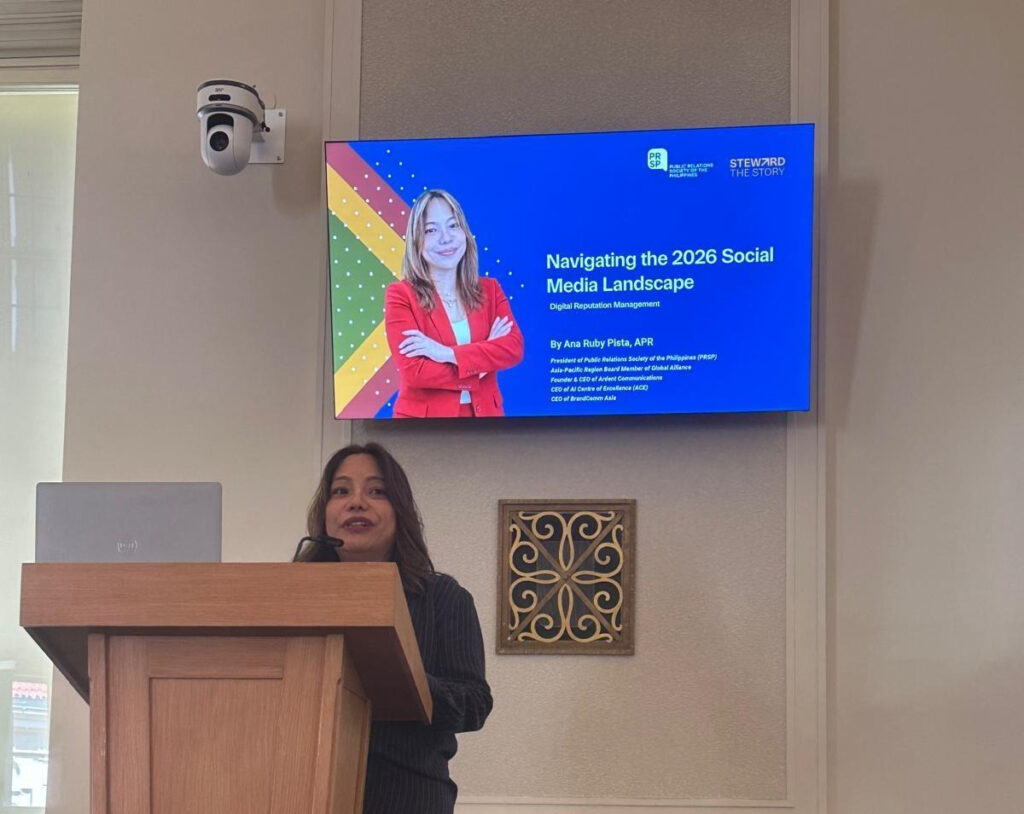
Among the key topics was digital reputation management, with Ana Ruby Pista, APR, CEO of the AI Centre of Excellence (ACE) and a Global Alliance Asia-Pacific Board Member, outlining four strategies organizations can use to protect their digital reputations in 2026.
Pista, who also serves as President of the Public Relations Society of the Philippines (PRSP) and CEO of Ardent Communications, warned that social media and the broader online landscape are reaching a critical turning point.

“In 2026, the rule of the game remains brutal but simple. Only those who keep in step with the changing landscape, adapt, and innovate will survive. Thrive even,” Pista said.
Four Strategies for Digital Reputation Management in 2026
Pista emphasized that protecting a brand’s digital reputation requires organizations to move beyond traditional corporate communications approaches and respond to changing audience behaviors and expectations.
She outlined four strategies for organizations navigating the digital landscape:
1. Solve the Platform Paradox
Brands should resist the pressure to join every emerging technology trend or social media platform. Instead, communications teams should identify where their target audiences are most active and focus their resources on the channels that best serve their goals.
2. Humanize the Narrative
As audiences encounter more AI-generated content, brands should highlight genuine human experiences. Stories about founders, employees, and management teams can help organizations communicate more authentically and build meaningful connections with their audiences.
3. Deploy Newsroom-Style Agility
Traditional approval-heavy communication processes may struggle to keep pace with fast-moving digital environments. Organizations should develop the ability to respond promptly through timely updates, live insights, and authentic behind-the-scenes content.
4. Build Trust Through User-Generated Content and Micro-Influencers
With misinformation continuing to challenge online credibility, user-generated content (UGC) and micro-influencers can help brands connect with audiences through relatable experiences and peer recommendations.
Balancing AI Innovation With Human Connection
The conference highlighted how AI continues to transform marketing and public relations, while underscoring the importance of authentic human connection and responsible storytelling in protecting reputation and sustaining public trust.
As a specialized AI learning and innovation hub, ACE supports organizations in adopting AI strategically and responsibly, with an emphasis on applying technology to real-world challenges.
The discussions in Prague reflect the growing need for communications professionals to adapt to technological changes while maintaining the human judgment and accountability essential to effective public relations.